2022, Corona, Corona news, Tour Planning

Travel Guidelines which was updated in 2021-22 during Covid

The Ministry of Health & Family Welfare (MoHFW) has revised guidelines for international arrivals into India. As per the reports, these will come into effect from January 11, 2022. As per the rules, passengers originating/transiting from ‘at-risk’ countries, will now have to undergo ‘stringent isolation’ if they test positive on arrival.

This move comes in the wake of rising cases of the new variant, Omicron, in the country. Those transiting or originating via countries that are classified as ‘at risk’, shall have to be informed by the airline companies that they will be required to undergo post-arrival testing at Indian airports, and undergo quarantine as per the protocol. Also note, international passengers will not be allowed to exit the airport before the test results.

Further, all international travellers to India will need to register on Air Suvidha portal, and self-declare all their travel details; upload the negative report of COVID-19 that has been obtained within 72 hours; declare its authenticity; and submit an undertaking that they would abide by the decision of appropriate authority to undergo quarantine as per the revised guidelines.

International travellers are also required to pre-book their testing on arrival at Indian airports in advance.

Here are the guidelines for travellers arriving from countries at risk:

  • Submit a sample for post-arrival COVID-19 test at the airport, which would be self-paid.
  • They will have to wait for their test results at the airport before leaving or taking a connecting flight.
  • If their test results come negative, they will undergo a 7-day home quarantine, and will again have to undertake the RT-PCR test on the 8th day of arrival in India.
  • Travellers will also have to upload the results of a repeat RT-PCR test for Covid-19 done on the 8th day on Air Suvidha portal, which will be monitored by the respective States/UTs.
  • If their test result comes negative again, they will be required to further self-monitor their health for next 7 days.
  • But if they test positive, their samples would be sent for genomic testing at INSACOG laboratory network.
  • Those test positive, will be managed at an isolation facility and treated as per laid down standard protocol including contact tracing.
  • Those who came in contact with such a positive case, would be advised to undergo home quarantine, which will be monitored strictly by the concerned State Government.

Here are the India International Travel Guidelines for travellers arriving form not ‘at risk’ countries:

  • Around 2% of the total flight passengers will undergo post-arrival testing, which will be carried out randomly at the airport on arrival.
  • They will be identified by the concerned airlines.
  • Laboratories will prioritise testing of samples from such travellers.
  • All incoming passengers, as well as those 2 per cent whose result has come negative, will have to undergo home quarantine for 7 days, and shall undertake RT-PCR test on the 8th day of arrival in India.
                                    • They will then have to upload the results of the repeat RT-PCR test for Covid-19 done on 8th day on Air Suvidha portal, which will be monitored by the respective States/UTs.
  • If the result is negative, they will be required to self-monitor their health for the next 7 days.
  • However, if their result comes positive, their samples should be further sent for genomic testing at INSACOG laboratory network.
  • They will then be managed at an isolation facility and treated as per standard protocol, including contact tracing.


Read More or full story by clicking here

Read More...

2021, Corona

Public health considerations while resuming international travel

FACTORS TO BE CONSIDERED FOR RESUMING INTERNATIONAL TRAVEL

Each country should conduct a risk-benefit analysis and decide on its priorities.

WHO recommends that priority should be given to essential travel for emergencies, humanitarian actions (including emergency medical flights and medical evacuation), travel of essential personnel (including emergency responders and providers of public health technical support, critical personnel in transport sector such as seafarers[5] and diplomatic officers), and repatriation. Cargo transport should also be prioritized for essential medical, food and energy supplies. Sick travellers and persons at risk including elderly travellers and people with chronic diseases or underlying health conditions, should delay or avoid travelling internationally to and from areas with community transmission.

There is no “zero risk” when considering the potential importation or exportation of cases in the context of international travel. Therefore, thorough and continuous risk assessment and management will help identify, reduce and mitigate those risks, while balancing the socio-economic consequences of travel measures (or temporary restrictions) against potential adverse public health consequences.

The decision process should include an analysis of the situation, taking into account the local context in countries of departure and destination. The following factors should be considered: local epidemiology and transmission patterns, the national public health and social measures for controlling the outbreaks in both departure and in destination countries; public health and health service capacity at national and subnational levels to manage suspect and confirmed cases among travellers, including at points of entry (ports, airports, ground crossings) to mitigate and manage the risk of importation or exportation of the disease; and the evolving knowledge about COVID-19 transmission and its clinical features.

Pashupati travels advice to care full precaution while travelling anywhere.

Click here to read the full article on WHO advice for RESUMING INTERNATIONAL TRAVEL

Read More...

Corona news, Questions

Frequently asked Question for CORONA you must know

What is corona virus: Corona viruses are a large family of viruses which may cause illness in animals or humans. In humans, several coronaviruses are known to cause respiratory infections ranging from the common cold to more severe diseases such as Middle East Respiratory Syndrome (MERS) and Severe Acute Respiratory Syndrome (SARS). The most recently discovered coronavirus causes coronavirus disease COVID-19. What is COVID-19 COVID-19 is the infectious disease caused by the most recently discovered corona virus. This new virus and disease were unknown before the outbreak began in Wuhan, China, in December 2019. What are the symptoms of COVID-19 The most common symptoms of COVID-19 are fever, tiredness, and dry cough. Some patients may have aches and pains, nasal congestion, runny nose, sore throat or diarrhea. These symptoms are usually mild and begin gradually. Some people become infected but don’t develop any symptoms and don’t feel unwell. Most people (about 80%) recover from the disease without needing special treatment. Around 1 out of every 6 people who gets COVID-19 becomes seriously ill and develops difficulty breathing. Older people, and those with underlying medical problems like high blood pressure, heart problems or diabetes, are more likely to develop serious illness. People with fever, cough and difficulty breathing should seek medical attention. How does COVID-19 spread People can catch COVID-19 from others who have the virus. The disease can spread from person to person through small droplets from the nose or mouth which are spread when a person with COVID-19 coughs or exhales. These droplets land on objects and surfaces around the person. Other people then catch COVID-19 by touching these objects or surfaces, then touching their eyes, nose or mouth. People can also catch COVID-19 if they breathe in droplets from a person with COVID-19 who coughs out or exhales droplets. This is why it is important to stay more than 1 meter (3 feet) away from a person who is sick. Can the virus that causes COVID-19 be transmitted through the air? Studies to date suggest that the virus that causes COVID-19 is mainly transmitted through contact with respiratory droplets rather than through the air. See previous answer on “How does COVID-19 spread?” What can I do to protect myself and prevent the spread of disease protection measures for everyone Stay aware of the latest information on the COVID-19 outbreak, available on the national,state and local public health authority. Many countries around the world have seen cases of COVID-19 and several have seen outbreaks. Authorities in China and some other countries have succeeded in slowing or stopping their outbreaks. However, the situation is unpredictable so check regularly for the latest news.
  • You can reduce your chances of being infected or spreading COVID19 by taking some simple precautions:
  • • Regularly and thoroughly clean your hands with an alcoholbased hand rub or wash them with soap and water. Why? Washing your hands with soap and water or using alcohol-based hand rub kills viruses that may be on your hands.
  • Maintain at least 1 metre (3 feet) distance between yourself and anyone who is coughing or sneezing.
  • Why? When someone coughs or sneezes they spray small liquid droplets from their nose or mouth which may contain virus. If you are too close, you can breathe in the droplets, including the COVID-19 virus if the person coughing has the disease.
  • Avoid touching eyes, nose and mouth. Why? Hands touch many surfaces and can pick up viruses. Once contaminated, hands can transfer the virus to your eyes, nose or mouth. From there, the virus can enter your body and can make you sick.
  • Make sure you, and the people around you, follow good respiratory hygiene. This means covering your mouth and nose with your bent elbow or tissue when you cough or sneeze. Then dispose of the used tissue immediately. Why? Droplets spread virus. By following good respiratory hygiene you protect the people around you from viruses such as cold, flu and COVID-19.
  • Stay home if you feel unwell. If you have a fever, cough and difficulty breathing, seek medical attention and call in advance. Follow the directions of your local health authority. Why? National and local authorities will have the most up to date information on the situation in your area. Calling in advance will allow your health care provider to quickly direct you to the right health facility. This will also protect you and help prevent spread of viruses and other infections.
  • Keep up to date on the latest COVID-19 hotspots (cities or local areas where COVID-19 is spreading widely). If possible, avoid traveling to places – especially if you are an older person or have diabetes, heart or lung disease.
Download full question and answer from here: click here

Read More...

2026, Hill station, Honeymoon destination, MINI SWITZERLAND, muktinath, Nepal Destinations, Nepal Tour

5 Top Destinations in Nepal for 2026 to Visit in summer season

Nepal each year draws the attention of lots of visitors from across the world. The country gives unlimited reasons to visitors to come and explore Nepal. Some visitors get attracted by the call of the mountains and seeking to climb or trek in the Himalayas, while others want to know more about the diversified culture and the famous city Kathmandu. Whatever may be the reason for visiting Nepal, the country surely gives an adventurous, cultural eye-opener and a life-changing experience to all travelers.

We are sharing 5 Top destinations for this Summer season when the other places where people are suffering from heat and itchy summer you can make your holiday trip an amazing trip.

Also Visit : Check our  Nepal Packages at affordable Package

  1. Muktinath Temple Yatra :

5 Top Destinations in Nepal for 2020 : Muktinath Temple

Muktinath is a Lord Vishnu temple adorned by Buddhists and Hindus. It is located in the Mustang district, Nepal. It is recognized as Mukti Kshetra. It is a historical place of pilgrimage and a place for the religious tour. Religious devotees feel blessed doing meditation at Muktinath in Nepal.

2. Pokhara:

5 Top Destinations in Nepal for 2020 - pokhara Lake

It is a must place to visit in Nepal. It is a great place for limitless fun and adventure. Tourists love the unforgettable experience. The Phewa lakeside place provides peace to mind.

Also Read: 5 things to carry at Pokhara

Key Attractions at Pokhara

  • Davis Fall
  • Begnas Lake
  • Phewa Lake
  • Sarangkot Paragliding
  • World Peace Pagoda
  • Bat Cave
  • Mahendra Cave

3. Annapurna Range Trekking:

annapurna range

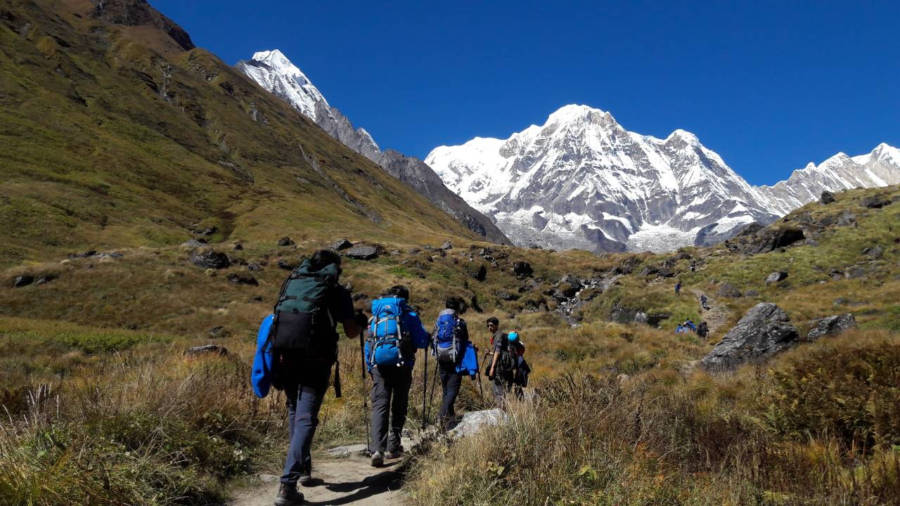
All those who love trekking, must visit the Annapurna region in Nepal which is one of the most popular trekking regions in Nepal. Here one can explore trekking options that last from a few days to a few weeks as well. Three different main routes in the Annapurna Region allow the trekkers to choose a trekking portion or a variation on the routes as well. Almost it takes 21 days to complete the Annapurna Circuit around Annapurna Mountain which is popular among the tourist who has enough time. This route is also known as “Apple Pie Circuit,” as most of the teahouses on the route serve their version of fried apple pie. The Annapurna Circuit has received the recognition of one of the world’s greatest treks loved by adventure lovers.

Also visit:  checklist of Adventure places and sports offered at  Nepal

4. Everest Base Trekking:

Everest Trekking

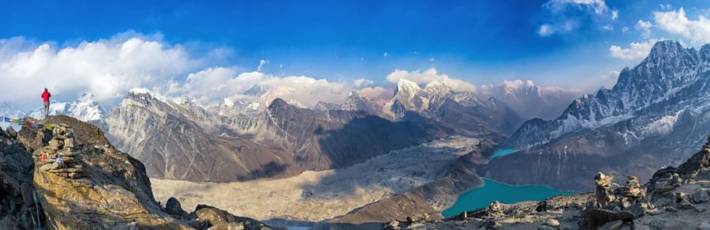
The summit of Mount Everest, the highest mountain on the Earth reaches 8,848 meters (29,028 feet) high. Trekking in the Mount Everest area is very popular and trekkers from all over the world come there to have a life-time experience. Today many trekkers visit Everest and the Trek to Base Camp to have a glimpse of the peak far above. The trekkers can hire a private guide or porter and do it yourself, but it is mandatory for all the trekkers to have a guide with them for a safe trekking adventure.

5. Pashupatinath Temple Darshan at Kathmandu :

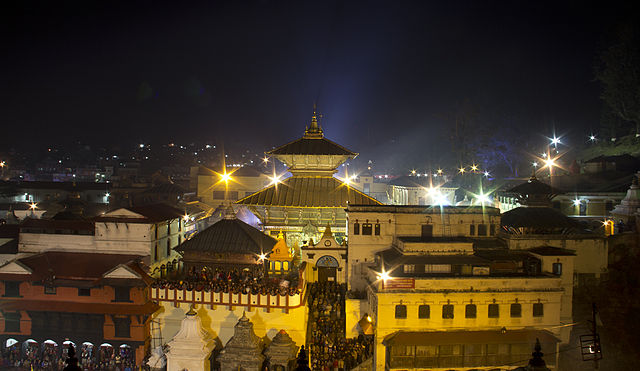
pashupatinath temple : Kathmandu

Kathmandu, the capital and largest city in Nepal, is a different and unique city in the world. The decaying buildings in the heart of the city are a combination of a lively atmosphere and diversified culture that gets the attention of visitors. The aroma of incense wafts coming from the stores and the busy daily lives of the citizens are enough reasons to visit the capital city of Nepal. For the past many years, Kathmandu was one of the royal cities along with Bhaktapur and Patan. One can pay a visit to various temples and monuments of different shapes, sizes, styles, and faiths that are established there. Durbar Square is one of the ancient properties badly damaged in the 2015 earthquake. Several historical buildings were also destroyed which is beyond repair.

Besides the above-mentioned places, there are many other places in Nepal which you must consider visiting in 2020. Discover destinations, get involved in outdoor adventurous camps and explore different places on the Earth.

We have mentioned few other places wich can make your trip memorable

  • Chitwan Park
  • Manokamna Temple
  • Janakpur
  • Varanasi
  • Gorakhnath Temple
  • Ayodhya

If your are from India or Nepal you dont need any Passport to visit those place. Only you need to carry is a ID proof  (Not AAdHAR Card) . It can be a passport/Voter ID card.

Read More...

2019, Tour Planning

Planning trip during Christmas

Festival of season and Planning trip during Christmas, we have always a few things which you should take care of. We all know this is a season where one always which to travel with few mindsets

  • Hillstation for snowfall
  • Sea Beaches
  • Historical Places

For Hillsation check out what to do: Click Here

On Sea Beach & Historical Place like Goa, Andaman or Any place where the temperature is hot n humid.  Try to carry these things as weather is not so cool.

  • Sunscreen lotion
  • Wear Cotton Clothes
  • Carry a Hat
  • Keep an umbrella

Below we have tried to mention few places where you can visit during this Christmas. Check out these places.

Goa-

Christmas Celebration in Goa is the Perfect Way to Soak in the Festivities. Nightlong parties on beaches, friendly chats and cocktails in bars and pubs, cathedrals decorated with lights and flowers, and midnight mass in churches with little children singing melodious carols…there’s nothing like a Christmas celebration at the hippest places in Goa.

Must-Visit Churches: Basilica of Bom Jesus, Se Cathedral, Santa Cruz Church.

Kerala-

It is believed Christianity came to India in 4th Century AD when St Thomas, one of the disciples of Jesus visit Kerala. He preached about Jesus in Kerala and it is said a large number of people chose to becomes the follower of Christian faith. In Kerala, the way of Christmas celebration exhibits the influence of Syrian and Western Christians.

Daman and Diu-

Daman and Diu, a union territory in west India, In the town of Moti Daman, the Basilica of Bom Jesus Church is known for its gilt altarpiece. With several cultural shows, Corridinho (Portuguese dance) shows, midnight mass in the many churches located here, and the zillions of lamps illuminating the skies overhead.

Manali-

Planning trip during Christmas

Generally its very cool in Manaliand Snowfall is expected if it rains in December. This is the peak time in winter for your fairytale Christmas where you can play in the snow, go skiing and snowboarding, hang out at the chic cafes, decorate Christmas trees, and sit by the fireplace in your snug little hut sipping on hot chocolate

Gulmarg-

It is one beautiful place to be in these days. Celebrate the birth of Jesus Christ, and offer your prayers at the beautiful churches of Gulmarg. Experience the chills as you celebrate the joyous festival with your loved ones wrapped up in a white blanket of snow accompanied by a cup of hot chocolate.

Delhi-

Delhi is celebrated with enormous enthusiasm, which is why it prominently sits in the list of Christmas getaways in India. Malls & posh streets are stylishly decorated, clubs start throwing in theme parties, cafes & restaurants pull out special menus for the occasion, and one can feel the essence of all festivities in the atmosphere around them.

Mumbai-

Christmas in Mumbaiis, without a doubt, one of the best places to visit. Christmas trees on the sidewalk, malls and markets jazzed up with Christmas lights and props, and the delicious scent of fruit cakes and date rolls hanging in the air with lights, smiles, and music all around.

Source: Nepal Travel package

Read More...